
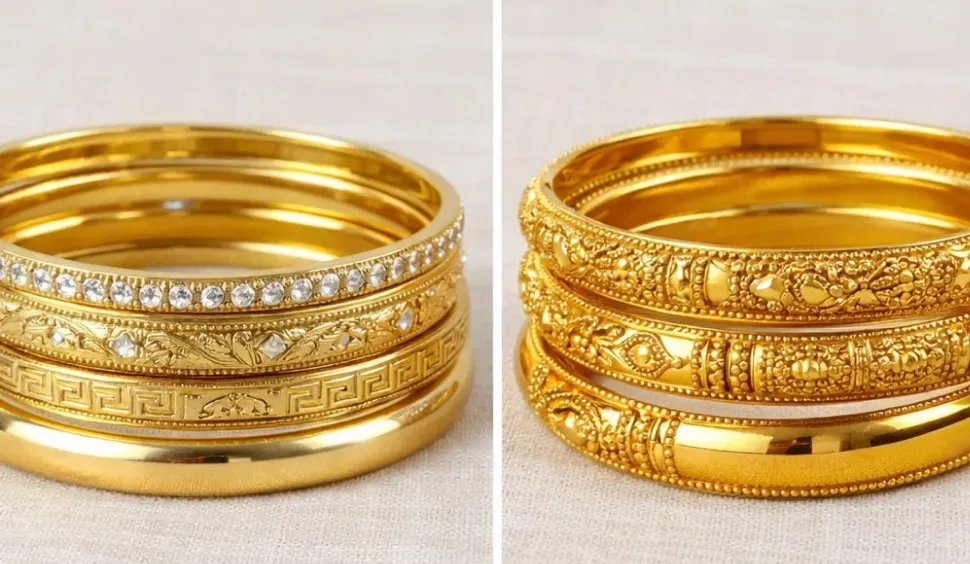
18K Gold vs 22K Gold: The Modern Kerala Bride’s Choice
Kerala weddings used to be defined by massive, 22K gold neckpieces that spent 364 days a year gathering dust in a bank locker. Not anymore. Today’s brides are flipping the script. They want jewellery that works as hard as they do, pieces that transition from a traditional ceremony to a high-stakes boardroom meeting without missing a beat. The debate of 18K gold vs 22K gold isn’t just about purity; it’s about lifestyle. It’s about owning your gold instead of your gold owning you.
Table Of Contents:
Why Are Modern Brides in Kerala Choosing 18K Gold for Daily Wear?
Modern brides choose 18K gold because it offers the perfect sweet spot between luxury and raw durability that 22K gold simply can’t match. While 22K is prized for its heritage, its high gold content makes it incredibly soft and prone to bending or scratching. 18K gold, mixed with stronger alloys, holds its shape, keeps its stones secure, and stands up to the friction of a busy, everyday life.
The Durability Factor: Beyond the Wedding Day
Let’s be real. If you’re wearing a ring or a bracelet every day, it’s going to take some hits. You’ll bang it against a desk, snag it on a bag, or drop it on the floor. 22K gold is 91.6% pure, which sounds prestigious until you realize gold is a naturally soft metal. It dents. It warps. It loses that “new” shine fast under pressure.
18K gold contains 75% pure gold, with the remaining 25% made of metals like copper or silver. This mix creates a metal that’s tough. Whether you’re typing on a laptop or heading to a yoga session, 18K jewellery stays in shape. It’s the practical heart of the lightweight gold jewellery it is known for. It’s gold built for the real world.
Setting the Trend with Stones
Traditional Kerala designs are iconic, but today’s aesthetic leans toward intricate stone settings and diamonds. Here is where the 18K gold vs 22K gold comparison gets very practical. Because 18K is harder, it provides a much safer “grip” for precious stones.
Most high-end diamond rings aren’t even made in 22K because the prongs would eventually loosen and drop the stones. For the bride who wants a diamond-studded mangalsutra or a sleek gemstone bracelet, 18K is the industry standard. It protects your investment while looking incredibly sharp.
Aesthetic Flexibility and Colour
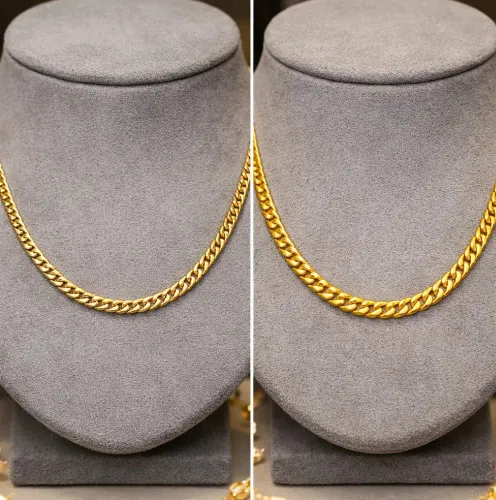
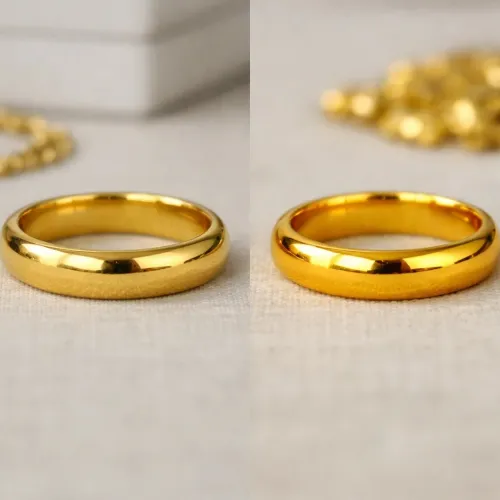
22K gold has that distinct, deep yellow glow. It’s classic, but it doesn’t always play nice with Western formals or casual weekend wear. 18K gold allows for much more variety. By playing with the alloy mix, jewellers can create stunning rose gold and white gold options.
This versatility is a massive draw for women in Kerala who want their jewellery to complement a diverse wardrobe. You can wear a delicate 18K rose gold chain with a silk saree just as easily as you can with a crisp white shirt. It’s a style that doesn’t feel like you’re trying too hard.
Value That Actually Makes Sense
Money matters, and so does smart spending. Since 18K gold has a lower percentage of gold than 22K, the price per gram is lower. This allows brides to opt for larger, more intricate designs or higher-quality diamonds without blowing the entire wedding budget.
At Aikyathil, we see more young couples opting for daily wear pieces that feel substantial but don’t carry the “locker anxiety” associated with heavy 22K sets. You get the prestige of gold with the practicality of a lower price point and much higher resistance to daily wear and tear.
Final Thoughts on 18K Gold vs 22K Gold
Are you still holding onto the old-school idea that 22K is the only “real” gold? For a bank investment, sure. But for living your life? 18K is the clear winner. It’s durable, it holds stones better, and it actually fits the life of a modern woman. Would you rather have gold that sits in a dark box or gold that shines with you every single day? The choice seems pretty simple.
